
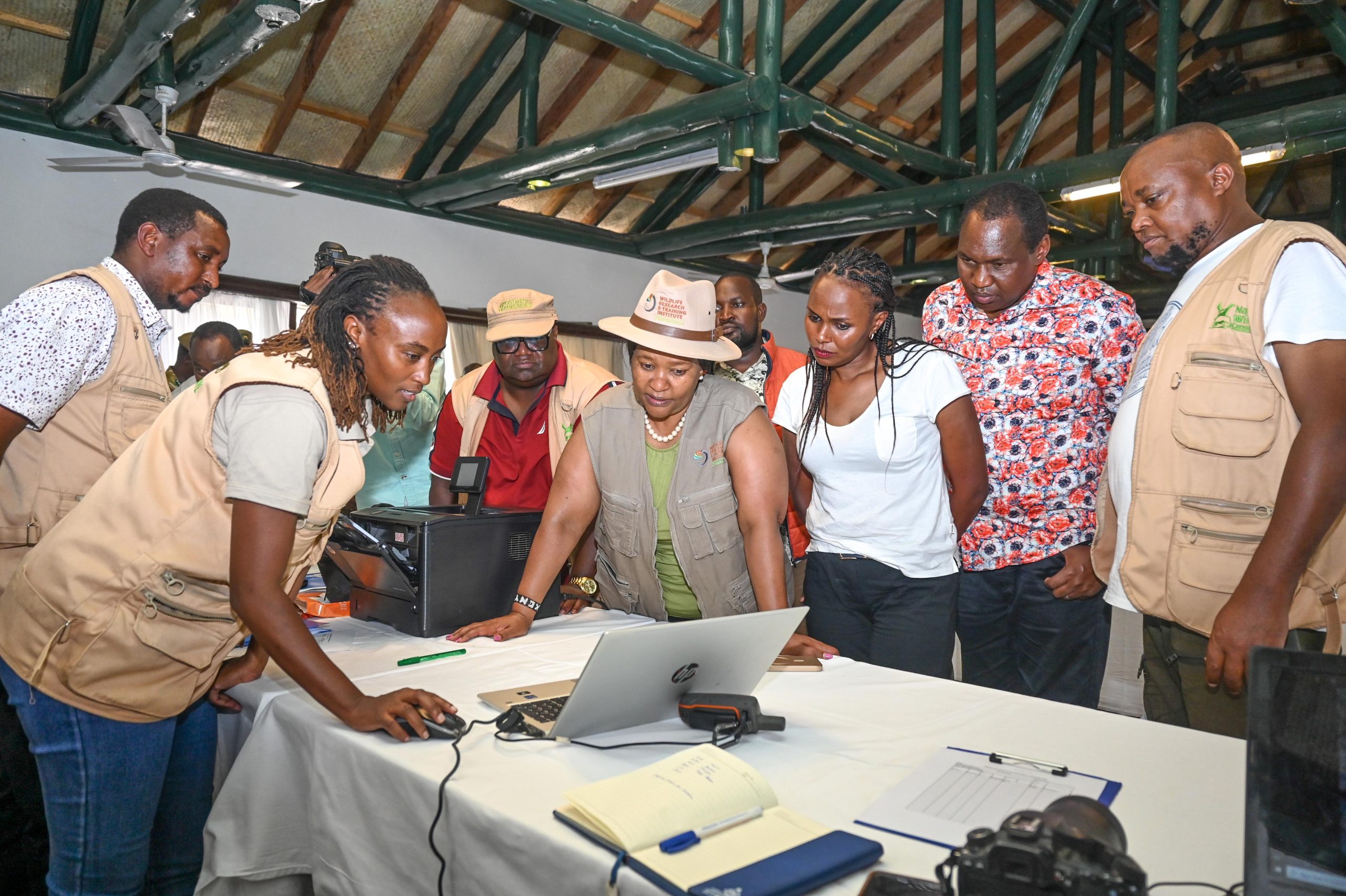
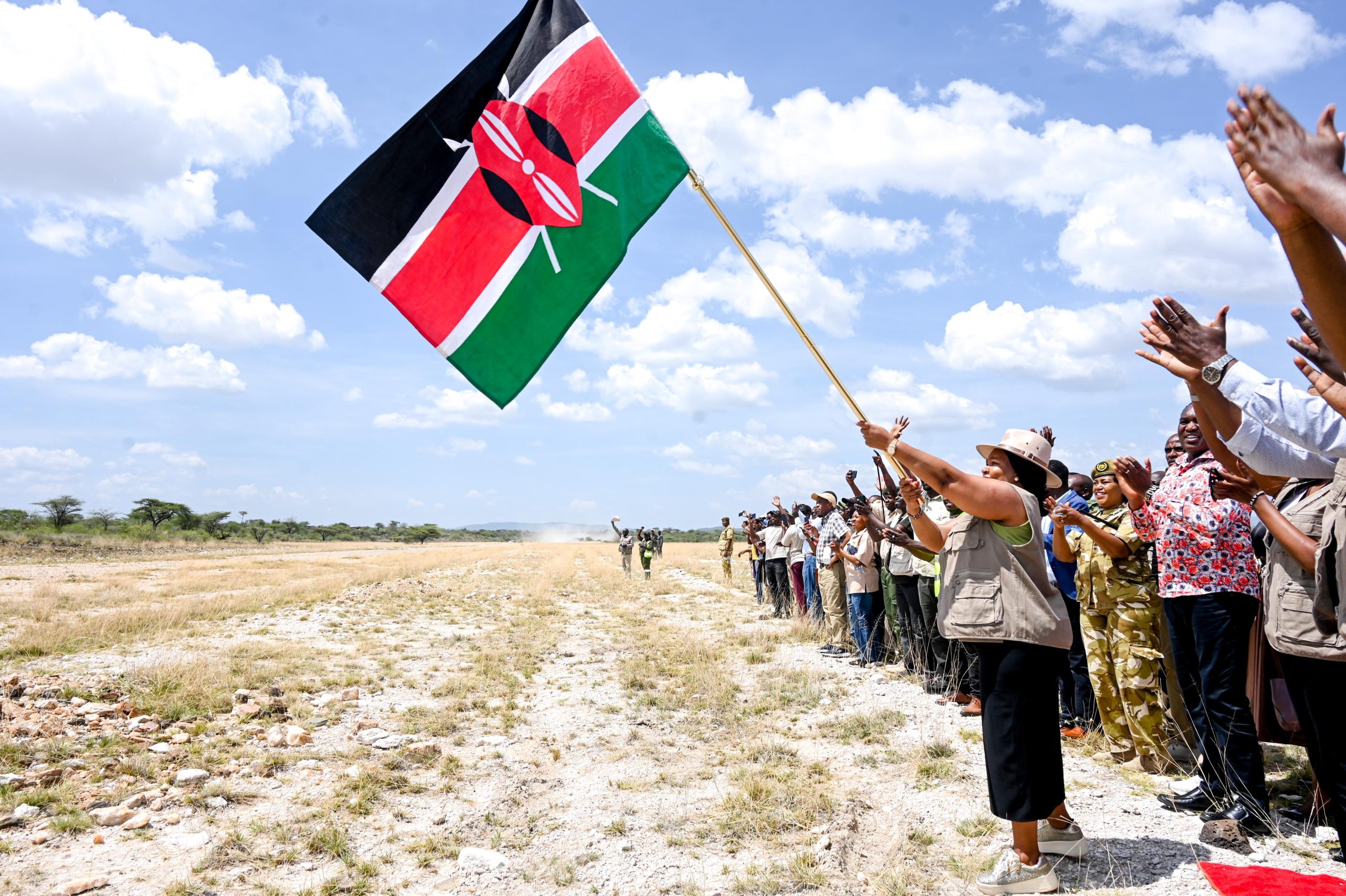

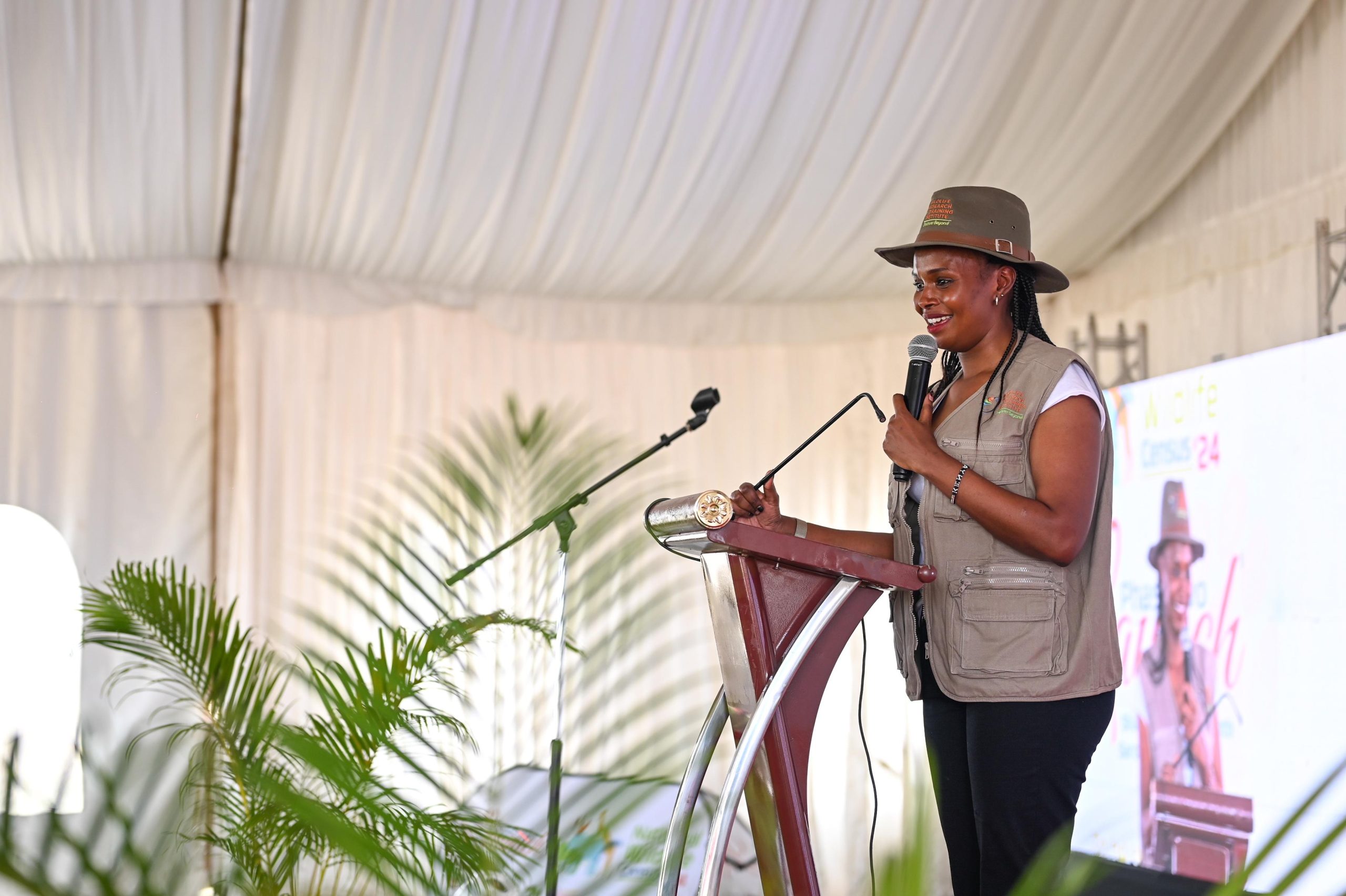
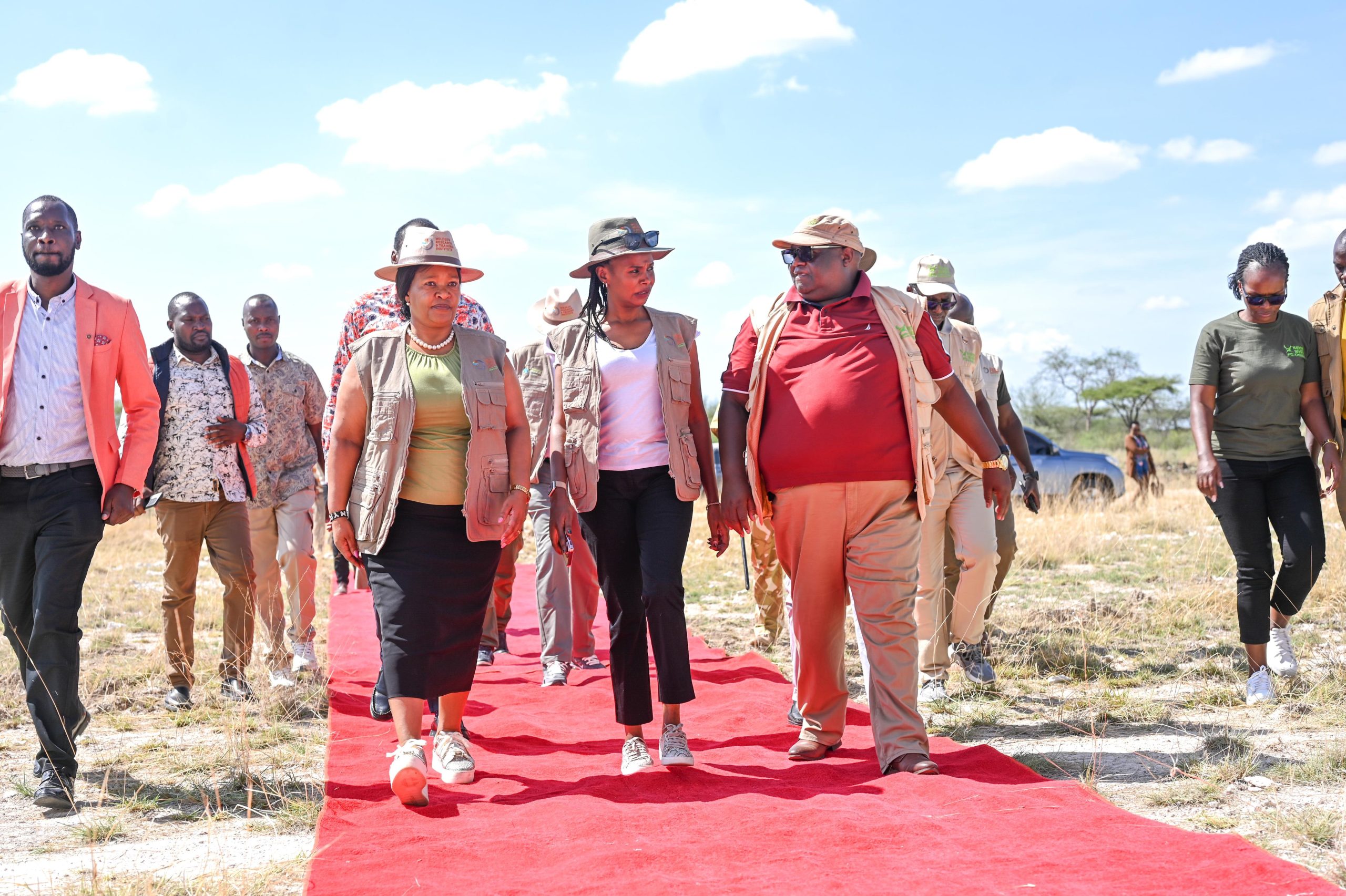

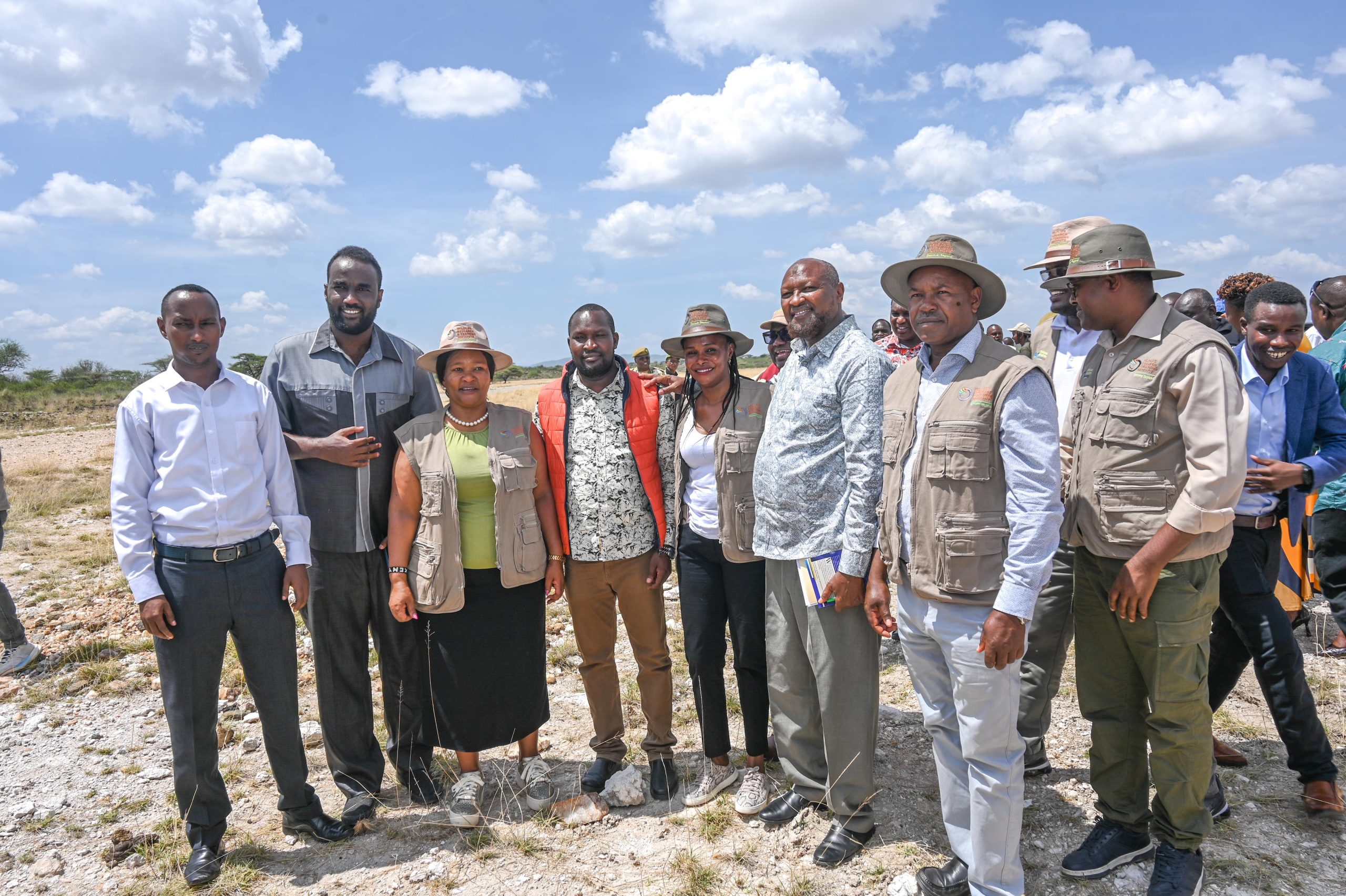
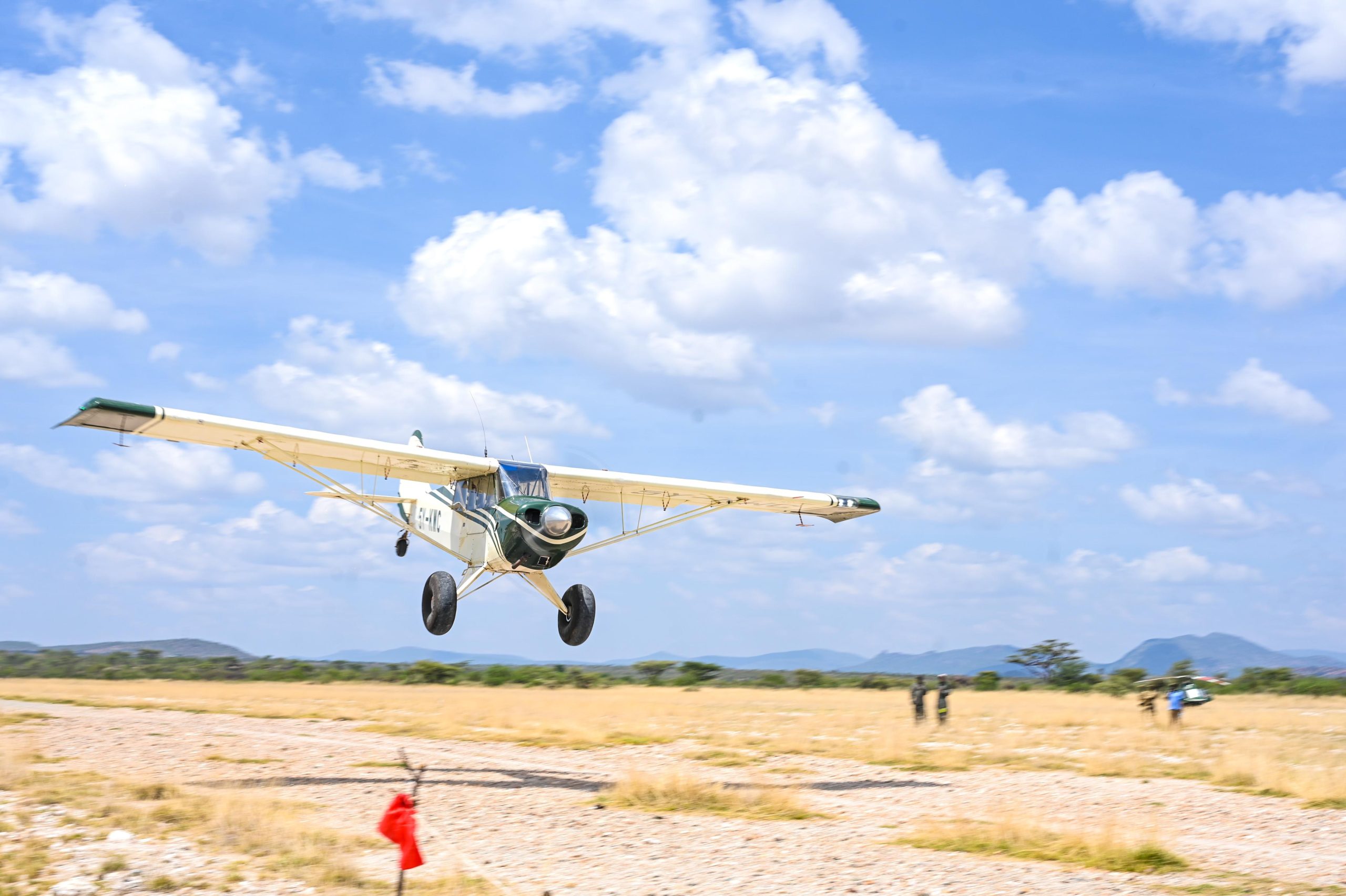
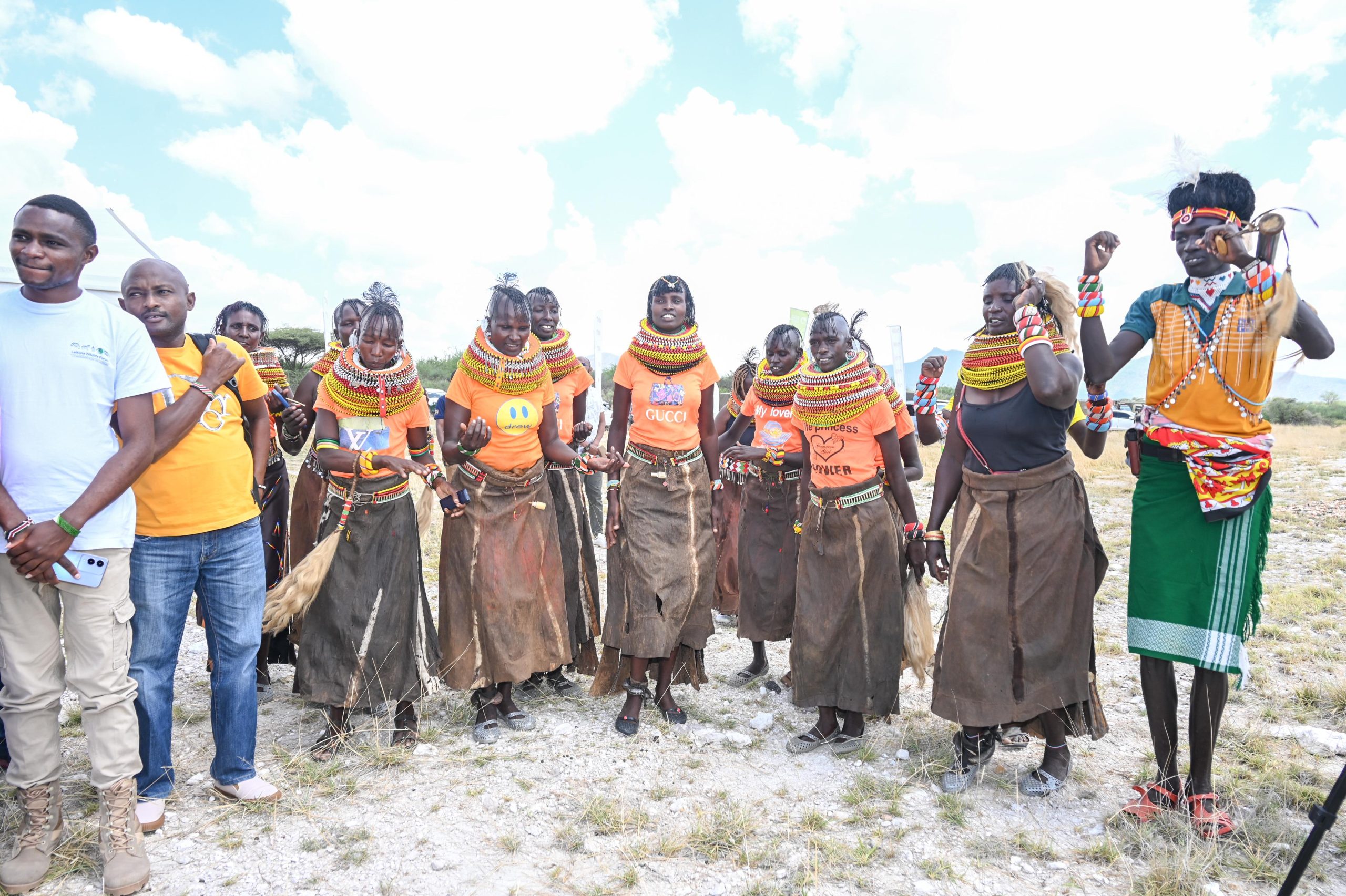
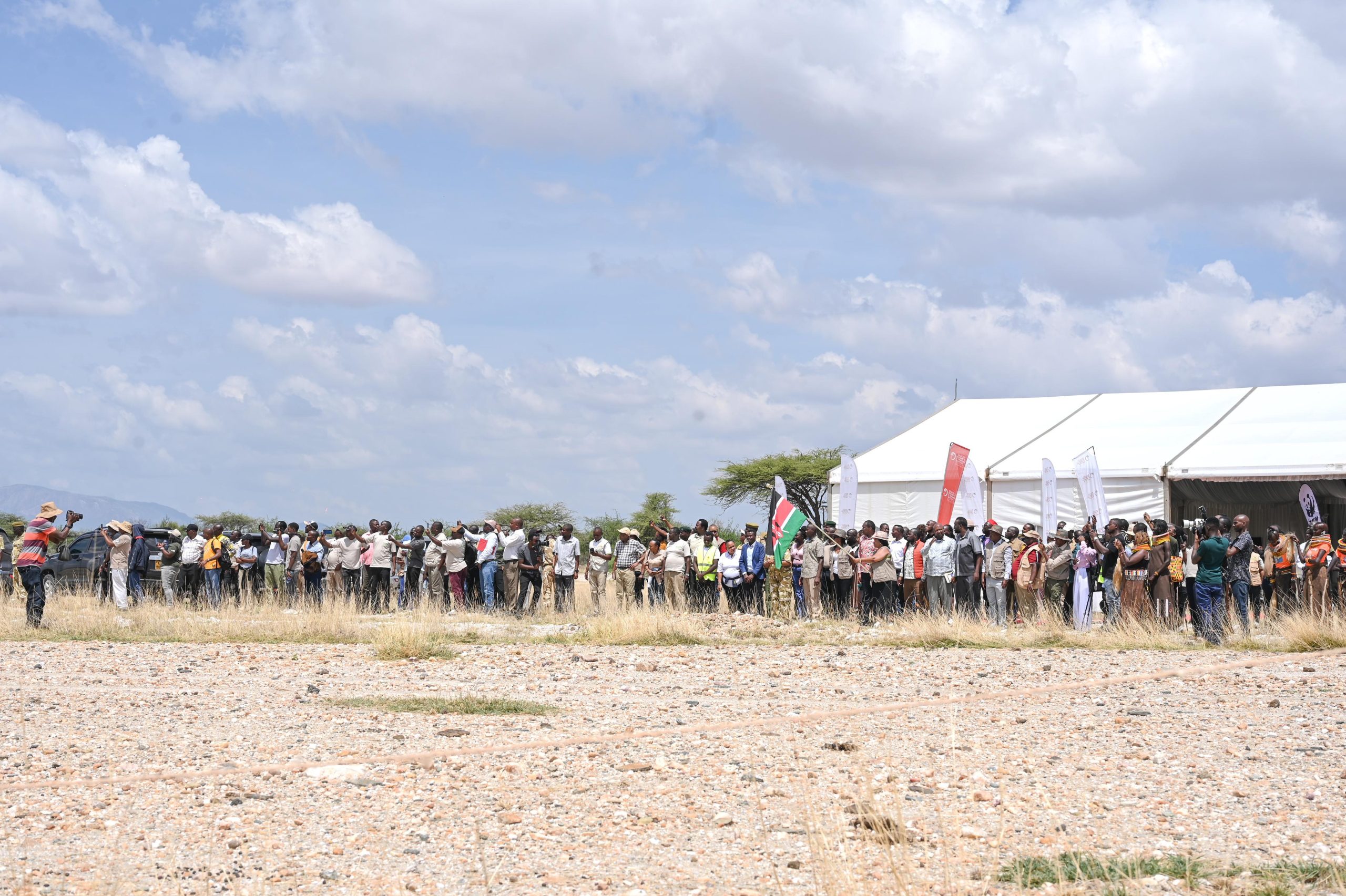
Earlier today the Cabinet Secretary, Ministry of Tourism and Wildlife, Hon Rebecca Miano launched the Second Phase of the comprehensive National Wildlife Census (2024-2025) at the Shaba National Reserve, Isiolo County.
The National Wildlife Census , which commenced in July and is expected to end in June 2025 is aimed at establishing the current status of wildlife populations, trends and their distribution across Kenya. It will provide invaluable data that will inform evidence-based decision making, conservation strategies, policy-making, and hereby contribute to ultimate sustainable management practices to protect the Nation’s rich biodiversity.
The team led by scientists from the Wildlife Research and Training Institute in collaboration with the Kenya Wildlife Service finalised the first phase that covered Narok -Maasai Mara, Amboseli-Magadi, Athi-Kapiti, Ruma National Park, Nakuru-Naivasha ranches, Lake Nakuru National Parks, Mwea National Reserve, and Solio conservancy.
The second phase kicked off with the Laikipia-Isiolo-Samburu-Marsabit-Meru landscapes.
In her remarks Hon Miano observed that Preliminary results from Phase 1 of the census revealed stable wildlife populations despite the 2022 countrywide drought. For instance, and thankfully so, the elephant population increased from 2,595 in 2021 to 2,702. Meanwhile, the buffalo population declined by 20% from 11,064 to 8,788 animals.
In the Amboseli-Magadi ecosystem, elephant numbers went up by 29 % while buffaloes decreased by 29% during the same period. During the same period, logging and charcoal burning increased noticeably.
“With the census data,we can plan antipoaching operations,improve habitat conservation strategies & work with local communities to foster wildlife-friendly practices that align with our country’s environmental and economic goals. ” Said CS Miano
The National Wildlife Census is more than a headcount. Rather, it is an essential tool that directly impacts Kenya’s conservation efforts and long-term prosperity. The data gathered allows the government and the sector at large to understand population trends, assess the health of crucial habitats, identify threats and develop actionable conservation strategies. Basing policies on scientifically gathered data ensures that interventions made are both
effective and sustainable.
PS Museiya appreciated the support from partners noting that the success of the census relied heavily on robust partnerships. “Collaboration is the bedrock of conservation efforts, and today, I would like to emphasize the need for continued and strengthened partnerships. Our work with various governmental and non-governmental organizations, local communities, international partners, and the private sector has demonstrated the power of unity in achieving common goals” she acknowledged.
About the Author: ICT Authority


 English
 Arabic
 Chinese (Simplified)
 Dutch
Dutch French
 German
 Italian
 Portuguese
 Russian
 Spanish
 Swahili
Leave A Comment